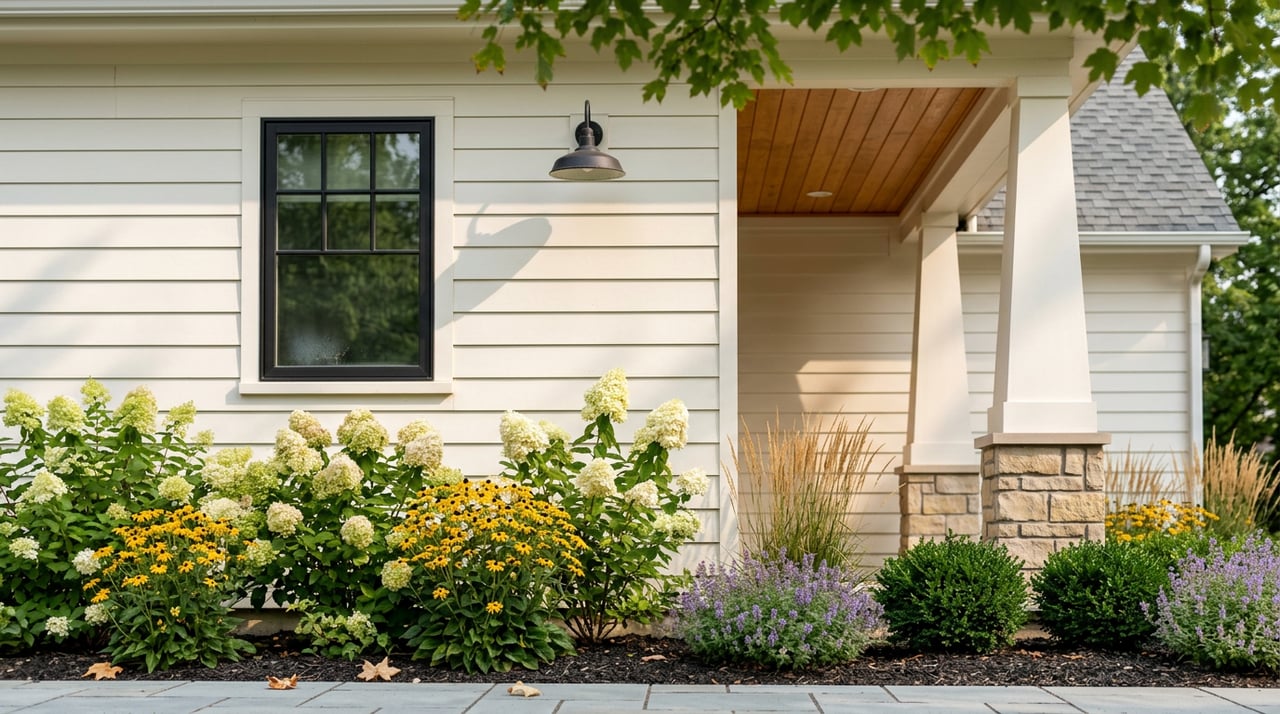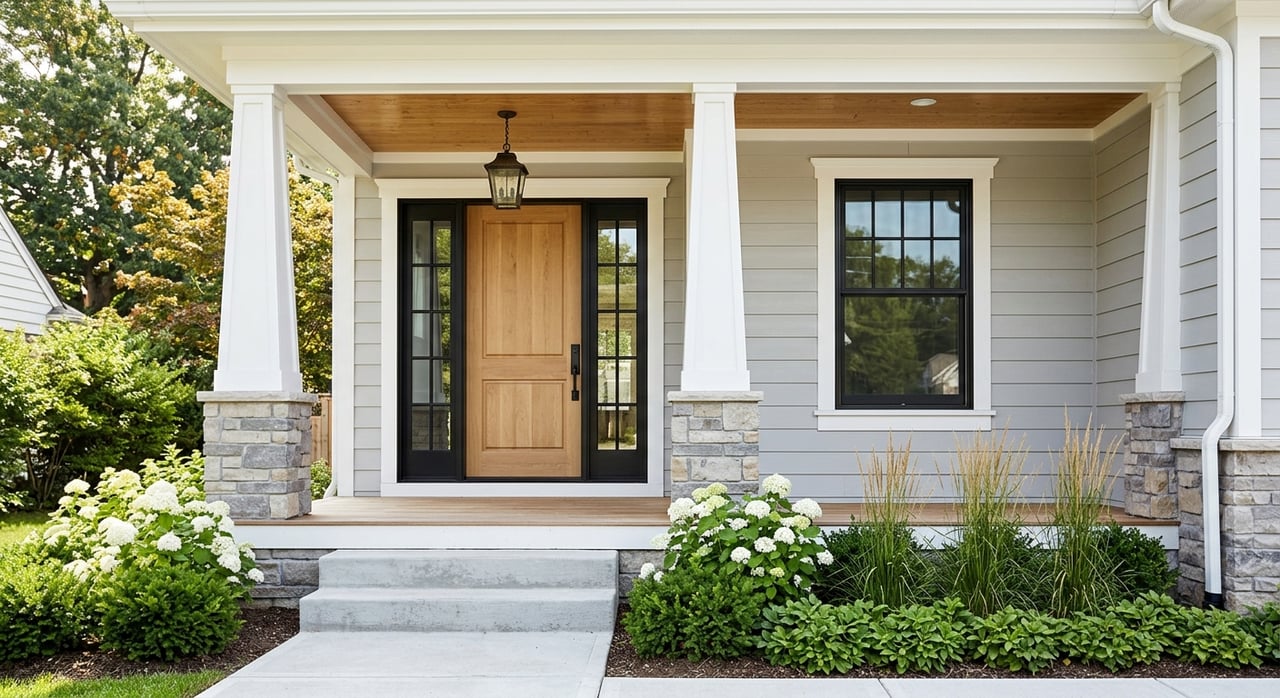
If you are thinking about building a home in Byron Center, you are probably asking a simple question with a not-so-simple answer: what are your real options? New construction here is not one-size-fits-all. From townhomes and courtyard homes to executive lots and fully personalized single-family builds, Byron Center offers a wide range of paths depending on your budget, timeline, and goals. This guide will help you understand how the local new-build market works, what affects price, and how to decide whether a new home is the right fit for you. Let’s dive in.
Byron Center New Build Options
In Byron Center, new construction is shaped mostly by planned communities rather than scattered individual lots. Current builder activity shows a mix of neighborhood-style developments with different home types, lot sizes, and maintenance structures.
For example, Eastbrook’s Byron Center communities include Walnut Ridge, Preservation Lakes, Cook’s Crossing, and Alden Grove. These communities feature options such as single-family homes, townhomes, courtyard homes, ranch plans, main-floor-primary layouts, and two-story homes.
Local communities also differ in feel and lot style. Alden Grove highlights daylight, walkout, and wider homesites, while community examples in the market also include pond lots, cul-de-sacs, sidewalks, and streetlights depending on the development. Some neighborhoods are already in later phases or have limited inventory, so availability can change quickly.
What Price Range to Expect
Byron Center new construction spans a broad range, which is important to know before you start touring model homes. Based on current builder pricing, entry points for local new builds start around the mid-$400,000s and rise into the upper-tier market.
Current examples include Alden Grove starting around $461,000, Walnut Ridge around $467,000, Cook’s Crossing around $488,000, Kuiper’s Meadow around $508,000, and Railside around $682,000. Current move-in homes and models in the area can range even higher, with some listings approaching $994,900, according to Eastbrook’s Byron Center location page.
The key takeaway is that a base price is only the beginning. In Byron Center, your final cost often depends on the lot, the floor plan, and the finish selections you choose.
What Changes the Final Price
A new build can look affordable at first glance, then shift upward as you personalize it. In this market, the biggest pricing changes usually come from lot type, home size, and upgrade level.
Lot premiums can apply for features like walkout lots, daylight lots, pond views, cul-de-sacs, wider sites, or executive home settings. Two homes from the same builder can have very different monthly payments simply because one sits on a premium lot and includes more structural or design upgrades.
Floor plan also matters. Ranch homes, two-story homes, and main-floor-primary layouts can come with different starting prices, and square footage affects both your purchase price and long-term carrying costs.
Then come the upgrades. Builder materials from JTB show common personalization categories such as built-ins, trim details, added doors, ceiling details, Michigan-room additions, electrical changes, flooring, counters, backsplashes, lighting, and plumbing fixtures. These are the choices that often explain why a final contract price moves well beyond the advertised starting point.
How the Build Process Works
If you have never built before, the process can feel unfamiliar. The good news is that most local builders follow a similar sequence, which makes it easier to plan.
Based on JTB’s building process guide, buyers typically move through these steps:
- Choose a community and homesite
- Select a floor plan
- Attend design and architectural meetings
- Finalize selections and pricing
- Complete a pre-construction meeting
- Move into active construction
- Attend an orientation walk-through
- Close on the home
One of the most important parts of this process is timing your decisions. Local builder materials show that many choices must be finalized before construction begins, and after the final sign-off, changes may no longer be allowed.
That is why it helps to think through your priorities early. If your must-haves include a specific kitchen layout, added living space, or certain finish styles, you will want clarity before you get too far into the process.
How Long a New Build Takes
Timeline is one of the biggest differences between a new build and an existing home. In Byron Center, the right answer depends on whether you are buying a quick-move-in property or building from the ground up.
JTB’s materials show approximate timelines ranging from about 5 to 6 months in one guide and about 7 to 9 months in another, with the reminder that timelines are not guaranteed. For comparison, some move-in-ready or spec homes from builders can close much faster, sometimes in as little as 30 to 90 days depending on availability.
In practical terms, quick-move-in homes are the fastest option, while personalized builds usually take several months. If your timeline is tied to a lease ending, a job relocation, or the sale of your current home, that difference matters.
HOA Fees and Monthly Costs
Your monthly housing cost is not just your mortgage payment. In Byron Center, some new-build communities have homeowners association fees, and some do not.
For example, JTB’s Railside page says there is no HOA, while Eastbrook’s Walnut Ridge page lists HOA dues for property owners and a separate dues structure for courtyard homes. That means two communities with similar home prices can still carry different monthly ownership costs.
When you compare neighborhoods, ask about:
- HOA dues
- What the dues cover
- Whether dues differ by home type
- Any community maintenance responsibilities
- Lot premiums or special assessments, if applicable
This is one of the easiest ways to avoid surprises later.
Financing a Byron Center New Build
Financing a new build can involve more moving parts than financing a resale home. You may be working around a longer timeline, builder deposits, and revised estimates as selections change.
The Consumer Financial Protection Bureau home loan toolkit recommends requesting multiple Loan Estimates and comparing them carefully. The CFPB also notes that preapproval letters can help show you are likely to get financing, which can be especially useful when you are reserving a homesite or entering a builder contract.
It is also smart to ask upfront about deposits. JTB’s financial-process materials show that buyers should expect money due at signing and additional payments before construction moves forward. Even if you are using a mortgage for the final purchase, you still need a clear plan for your upfront cash needs.
Just as important, you are not always required to use the builder’s preferred lender. The CFPB’s Loan Estimate comparison guidance encourages buyers to shop and compare instead of relying on one quote.
New Build vs Existing Home
A lot of buyers assume new construction is always the better long-term choice. In reality, it depends on what matters most to you.
Byron Center resale data shows an active market with meaningful price overlap. Zillow’s Byron Center home value data lists an average home value of $439,894 and notes homes go pending in around 25 days. That helps explain why the choice between new and existing often comes down to trade-offs rather than a simple price comparison.
Why Buyers Choose New Construction
New homes often appeal to buyers who want more control over layout, finishes, and maintenance profile. Local builder materials also highlight features like warranty coverage and energy-focused construction.
Eastbrook cites a one-year warranty and energy-efficiency standards on its homes, while JTB describes energy-focused framing, insulation, and windows. If you want a more current floor plan and fewer immediate repair concerns, a new build may be worth the longer timeline and higher upfront cost.
Why Buyers Choose Existing Homes
Existing homes usually work better when speed matters. Because the home is already built, you can skip most of the design meetings, construction wait, and many of the uncertainty points that come with building.
That can be a major advantage if you need to move on a tighter schedule. It can also appeal to buyers who prefer a more established neighborhood setting rather than waiting through future phases of development.
What to Ask Before You Sign
Before you commit to a Byron Center new build, it helps to ask direct questions and get the answers in writing whenever possible.
Use this checklist as a starting point:
- What is included in the base price?
- Which lots carry premiums?
- What design selections are standard, and what costs extra?
- When do selections need to be finalized?
- What is the estimated timeline for this home?
- What deposits are required, and when are they due?
- Are there HOA fees or other recurring costs?
- What warranties come with the home?
- Can you use your own lender?
- What happens if the timeline changes?
These questions can help you compare builders and communities more clearly, especially when two homes look similar on paper.
Why Local Guidance Matters
New construction gives you more choices, but more choices can also mean more moving parts. In Byron Center, your decision may involve comparing communities, phases, lot premiums, design options, financing timelines, and resale alternatives all at once.
That is where having experienced guidance can make the process smoother. A local real estate team can help you evaluate not just the model home, but also the total cost, the timeline, the community structure, and how your options compare with existing homes on the market.
If you are weighing new construction in Byron Center and want help sorting through your best options, connect with Rodriguez Homes. Our team helps buyers across West Michigan make confident, well-informed decisions with clear guidance from first tour to closing.
FAQs
What types of new homes are available in Byron Center?
- Byron Center new construction includes single-family homes, townhomes, courtyard homes, ranch plans, main-floor-primary layouts, two-story homes, and some low-maintenance condominium-style options depending on the community.
What is the starting price for new construction in Byron Center?
- Current builder examples show Byron Center new builds starting around the mid-$400,000s, with some communities starting higher and many finished homes pricing well above the starting point once lot premiums and upgrades are added.
How long does it take to build a new home in Byron Center?
- Local builder materials support a range from roughly a few months for quick-move-in homes to several months for personalized ground-up builds, with many custom timelines landing around 5 to 9 months.
Are HOA fees common in Byron Center new-build communities?
- Some communities have HOA dues and some do not, so you should ask about monthly fees, what they cover, and whether dues vary by home type.
Is new construction in Byron Center always more expensive than resale homes?
- No. There is meaningful price overlap between new construction and resale homes in Byron Center, so the final comparison often depends on lot type, floor plan, upgrades, and how much customization you want.