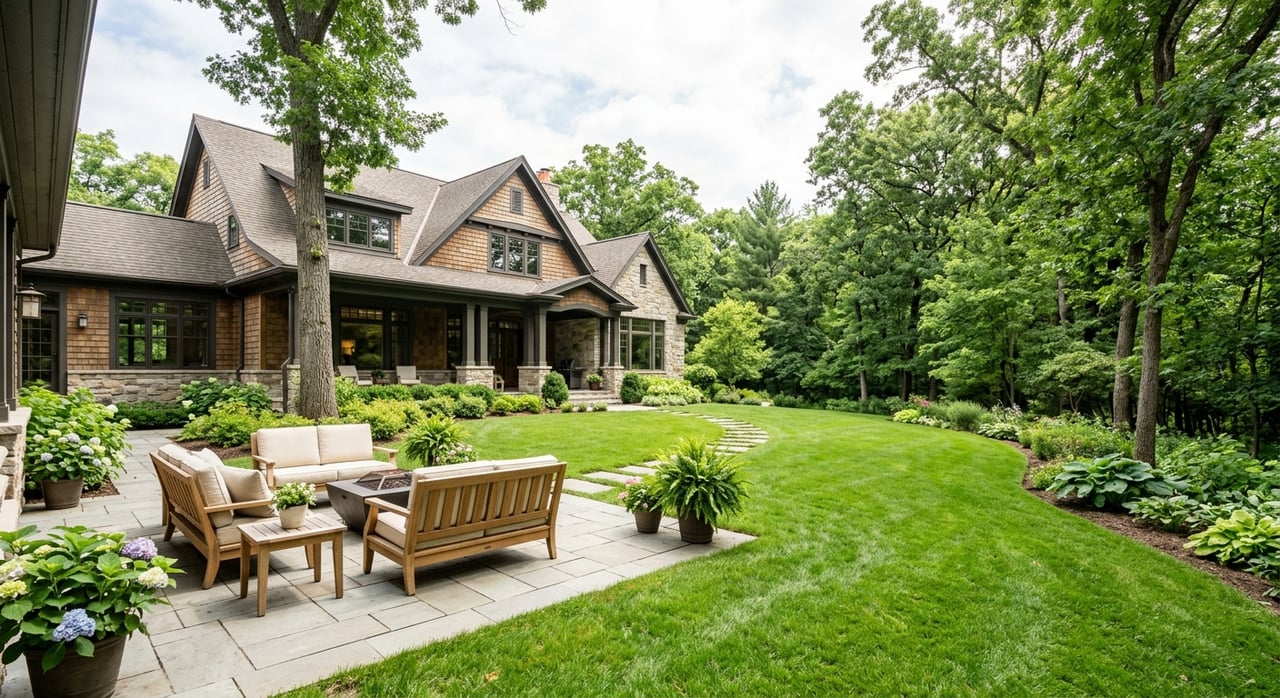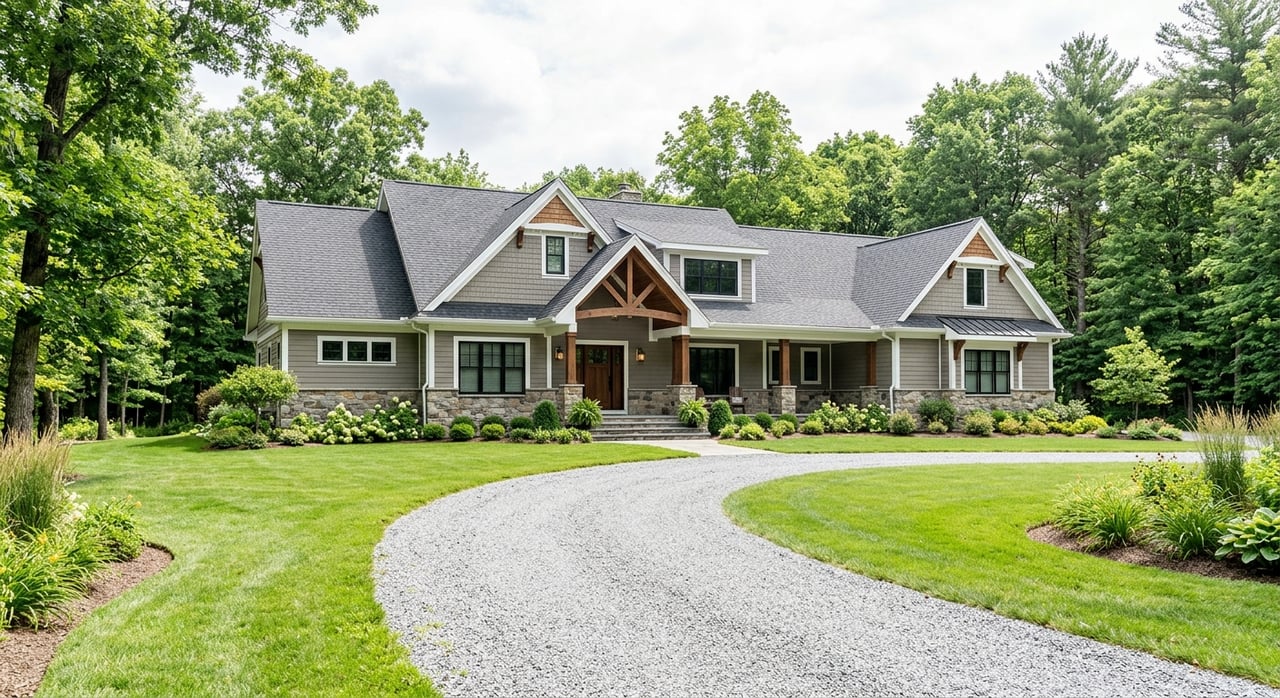
Dreaming about more space in Mattawan? Buying a home on acreage can give you room to spread out, add outbuildings, or enjoy a more rural setting, but it also comes with questions you do not always face in a typical subdivision. If you are searching in and around Mattawan, understanding zoning, utilities, access, and ongoing maintenance can help you avoid expensive surprises. Here is what you should know before you buy.
Why Mattawan Acreage Stands Apart
Mattawan offers a unique mix of convenience and rural character. According to the Village of Mattawan, the community sits on the eastern border of Van Buren County with access to I-94, and the Kalamazoo area is about 7 miles away. That location can make acreage properties feel private without feeling isolated.
What makes this market different is that some properties are inside the village while others are in surrounding township areas with different rules and infrastructure. In nearby township locations, zoning is often designed to preserve farming, open space, and low-density residential use, especially where public utilities are limited or not expected soon. That means two homes with the same acreage can offer very different options depending on where they sit.
Check Village vs Township First
One of the first things to confirm is whether the property is inside the Village of Mattawan or in the surrounding township. That one detail can shape everything from lot standards to utility service and road maintenance.
Inside the village, public infrastructure is more established. The village reports that its public works system includes sewer lines, lift stations, a main pump station, a water system supplied by three wells, and about 20 miles of maintained roadways.
Outside the village, acreage properties are more likely to depend on private systems and site-specific approvals. If you are buying land or a home with land, that difference can affect your budget, your due diligence, and even how you plan to use the property.
Understand Zoning Before You Assume
Acreage does not automatically mean a parcel is buildable or flexible in how you can use it. In Antwerp Township, zoning rules are especially important because AG and R-1 districts are intended for farming, open space, and low-density residential use in areas without public utilities or in places likely to remain that way for an extended period, according to the Antwerp Township zoning ordinance.
That same ordinance states that both AG and R-1 districts require a minimum lot area of 43,560 square feet. AG lots also require a minimum width of 175 feet. If you are considering a split, the ordinance notes that AG parent parcels may be split into no more than three 43,560-square-foot lots, while additional splits generally must be at least four acres unless the property is developed under open-space or PUD rules.
In plain terms, acreage alone does not tell the full story. You need to verify the zoning district, lot dimensions, and whether the parcel meets current standards for the use you want.
Public Utilities Can Change the Rules
The presence or absence of public water and sewer matters a lot. Antwerp Township’s ordinance explains that in some residential districts, smaller lots may be allowed where public water or sewer are available, while R-3 areas are generally intended for locations where public utilities and services are provided or planned.
For buyers, that means the same number of acres can have different development potential based on utility access. If you are planning a future addition, a new build, or a parcel split, utility availability should be part of your review from the start.
Know What Uses May Be Allowed
Many buyers choose acreage because they want more flexibility than a standard neighborhood may offer. In Antwerp Township, the zoning ordinance lists accessory buildings, home occupations, and the keeping of animals and bees as permitted uses in these districts, although larger accessory structure requests and certain special uses may still require township review.
That can be a major benefit if you want a pole barn, workshop, hobby space, or room for agricultural-style uses. Still, permitted does not always mean unrestricted. The size, placement, and approval path for structures and uses should be confirmed before you move forward.
Pay Close Attention to Wells and Septic
For rural properties in Van Buren County, private water and wastewater systems are common. The Van Buren/Cass District Health Department says rural properties often rely on a well and septic system, and the department provides water well permits, septic permits, and inspections for home purchases and sales.
This is one of the biggest differences between a village-style home and a house on acreage. With a private system, you will want to understand the well location, septic age and condition, and whether there is enough usable space on the site for current and future needs.
Ongoing Testing Matters Too
Private wells come with long-term responsibilities. The Michigan Department of Environment, Great Lakes, and Energy states that the owner is responsible for protecting drinking water quality, and Michigan recommends annual testing for coliform bacteria, nitrates, and nitrites, testing every three to five years for arsenic, and at least one test for lead and copper.
Septic systems also require regular care. EGLE’s SepticSmart guidance notes that proper maintenance helps protect public health and can help homeowners avoid costly repairs. If you are buying a Mattawan-area home on land, this is not just a closing-day issue. It is part of responsible ownership.
Confirm Access and Driveway Details
Road access is another area where acreage buyers need to slow down and verify the details. Antwerp Township’s land division application requires applicants to identify whether access is from a public road or a private road or driveway. It also requires easements, utility easements, wells, septic systems, and drainfields to be shown, along with driveway approval from MDOT or the road commission when applicable.
That tells you something important. Access is not a minor detail. It is a core part of whether the property works as expected, both now and in the future.
Ask Whether the Road Is Public or Private
If a property is served by a private road, ask who maintains it and whether there is a written road maintenance agreement. Under Michigan law, a township board may contract for maintenance or improvement of a private road through a special assessment district when the required property owner petition is met.
For you as a buyer, the practical takeaway is simple: find out whether the road is public, private, or shared, and ask how maintenance costs are handled. This can affect convenience, winter access, and your long-term ownership costs.
Watch for Site Constraints
Even if a property looks wide open, usable space can be shaped by setbacks, easements, wetlands, drainfields, and access requirements. The township land-division checklist reflects this by requiring site-feature verification before approval.
That matters if you plan to build an addition, place an outbuilding, add a driveway, or change how the land is used. A parcel can have plenty of acreage on paper while still offering limited practical building area.
Smart Questions to Ask Before You Buy
If you are comparing Mattawan homes on acreage or vacant land, keep these questions front and center:
- Is the property inside the village or in the surrounding township?
- Is it served by public water and sewer, or by a private well and septic system?
- Is the road or driveway publicly maintained, privately maintained, or shared?
- Are there easements, setbacks, wetlands, or drainfield limitations?
- What zoning district applies, and what does that allow?
- If you want a barn, workshop, or home-based use, is township review required?
These questions can help you move past the listing description and understand how the property actually functions.
Why Buyer Guidance Matters Here
Buying a home on acreage in Mattawan can be rewarding, but it usually involves more moving parts than buying in a traditional neighborhood. You may need to review zoning language, utility setup, access details, health department records, and site constraints before you feel confident.
That is where experienced local guidance can make a real difference. A thoughtful buying strategy can help you ask better questions early, spot issues before they become problems, and focus on properties that fit your goals.
If you are exploring Mattawan homes on acreage or land and want a clear, local perspective, connect with Rodriguez Homes. Our team helps buyers navigate the details with practical guidance, responsive communication, and a client-first approach from search to closing.
FAQs
What should I verify before buying land in Mattawan?
- Confirm whether the property is in the Village of Mattawan or the surrounding township, then verify zoning, utility service, road access, easements, setbacks, and any well or septic details.
Are Mattawan acreage properties usually on public utilities?
- Not always. Inside the village, properties are more likely to have public water and sewer, while rural properties in Van Buren County often rely on private wells and septic systems.
Can you build on any acreage parcel near Mattawan?
- No. Buildability depends on more than acreage alone, including zoning district, lot dimensions, access, utility availability, and site constraints shown through local review.
Do private wells near Mattawan need regular testing?
- Yes. Michigan recommends routine private well testing, including annual testing for coliform bacteria, nitrates, and nitrites, plus periodic testing for other contaminants.
What should I ask about a private road on Mattawan acreage?
- Ask whether the road is private or shared, who maintains it, whether there is a written maintenance agreement, and how any future repair or improvement costs may be handled.