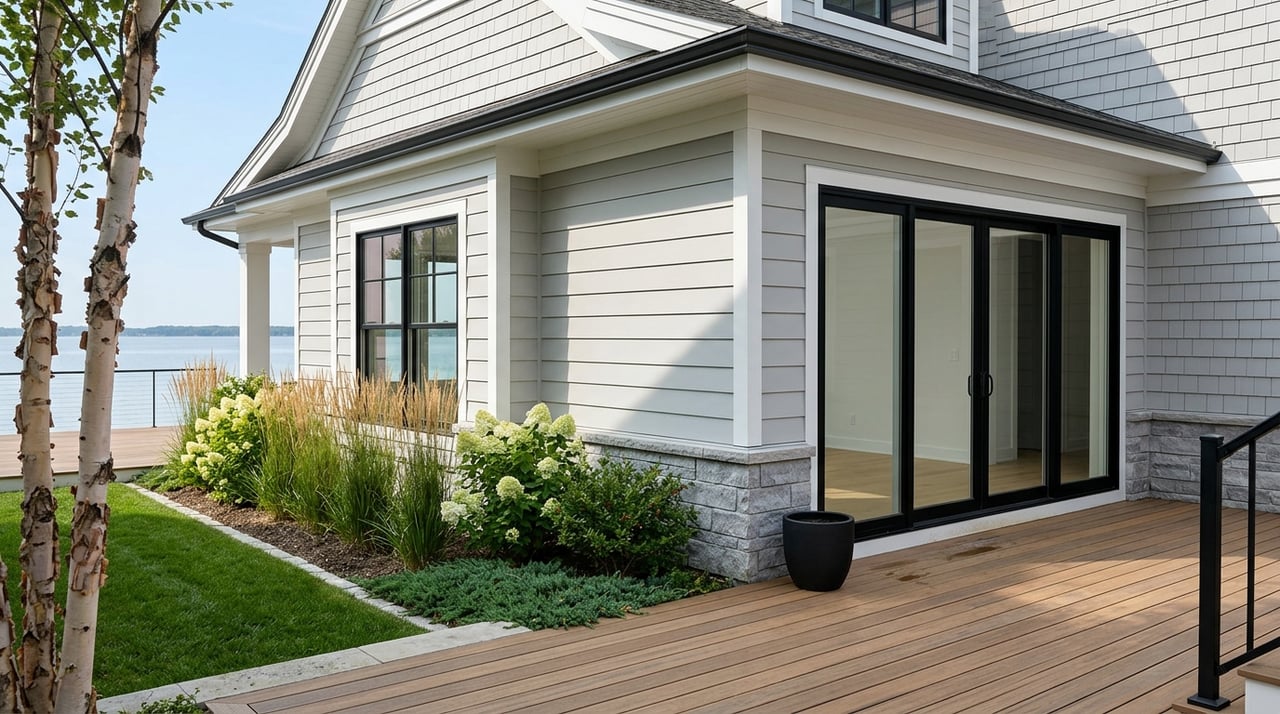
If you are selling a waterfront home in Spring Lake, you are not just listing another property. You are bringing a lifestyle to market, and buyers will notice every detail from the shoreline to the dock setup to the view from the back windows. With the right prep, pricing, and launch plan, you can protect your value and move forward with confidence. Let’s dive in.
Why Spring Lake waterfront stands apart
Spring Lake has a distinct identity in Ottawa County. The village sits on a peninsula surrounded on three sides by Spring Lake and the Grand River, and public features like a municipal boat launch, canoe and kayak launches, a sandy beach, and fishing platforms make water access part of daily life in the community.
That matters when you sell. Buyers are not only looking at square footage and finishes. They are also paying close attention to shoreline access, dock use, outdoor living, and how the property connects to the lake-focused character of Spring Lake.
The local market also supports a more strategic approach. In April 2026, Spring Lake had 144 homes for sale, a median listing price of $496,950, a median 39 days on market, and a 99% sale-to-list ratio. Compared with broader Ottawa County, that suggests Spring Lake sits in a higher price tier, so accurate pricing from day one matters.
Start with waterfront due diligence
A confident sale usually begins before the home ever hits the market. For waterfront properties, that means gathering records and confirming that past shoreline and water-access improvements were handled properly.
Michigan EGLE regulates certain activities on inland lakes and streams under Part 301. That can include dredging, filling, structures on bottomlands, marinas, interference with natural flow, and some shoreline protection work.
For many sellers, the biggest practical question is the dock. EGLE says permanent docks or permanent boat hoists left in year-round require a permit, while seasonal private docks and hoists generally do not if they meet stated conditions.
You should also review any history related to seawalls, beach sand placement, or dredging. EGLE notes that sand placed below the water line and dredging below the ordinary high-water mark require permits, so it is smart to pull together any documentation before buyers start asking questions.
Waterfront documents to gather early
- Dock and hoist details
- Permit records for permanent structures, if applicable
- Seawall or shoreline protection history
- Records for any sand placement below the water line
- Dredging history and related approvals
- Notes on any known erosion areas or shoreline changes
This step does more than reduce stress. It also helps your agent present the property clearly, answer buyer questions faster, and avoid last-minute surprises during inspections or financing.
Review shoreline condition before listing
Shoreline condition is part of your value story. A beautiful setting can still raise concerns if buyers see visible erosion, aging hardscape, or unclear maintenance history.
EGLE also warns that seawalls and other hard shoreline structures can affect water quality and habitat, and it recommends natural shoreline treatments when possible. For sellers, the takeaway is simple: understand what is on your shoreline, know its history, and be ready to explain it clearly.
That does not mean every waterfront property needs a major project before listing. It means you should assess the shoreline honestly and decide whether light cleanup, documentation, or a pricing adjustment makes the most sense.
Check flood status upfront
Flood status is another issue that should be handled early. The official public source for flood hazard information is FEMA’s Flood Map Service Center, and flood-zone details can affect insurance and financing conversations.
If a property is in a high-risk flood area and the buyer uses a federally backed mortgage, flood insurance may be required. That is why flood review should happen before photography, pricing, and launch plans are finalized.
Early clarity helps in two ways. It gives you time to gather useful information, and it helps buyers feel that the listing is being managed in a transparent, professional way.
Price for the market you are in
Waterfront sellers sometimes assume unique location alone will carry the price. In reality, even special properties perform best when the pricing strategy matches current conditions and the home’s specific features.
Spring Lake’s April 2026 market snapshot showed a 99% sale-to-list ratio. That tells you buyers are still paying close to asking price, but it also suggests there is not much room for careless overpricing.
A strong pricing strategy should reflect more than the address. It should account for the shoreline, dock setup, water views, condition, outdoor spaces, and the overall presentation buyers will see online and in person.
Prep the home buyers want to see
Most sellers do not need an endless to-do list. The data points to a few high-impact steps that improve presentation without overcomplicating the process.
NAR’s 2025 staging report found the most common prep items were decluttering, entire-home cleaning, and improving curb appeal. Painting, landscaping, minor repairs, and depersonalizing also ranked high.
For a Spring Lake waterfront home, that prep should support the home’s strongest features. Buyers want to see the views, the natural light, the access to the water, and the outdoor spaces that make waterfront living feel special.
Smart pre-listing priorities
- Declutter every main living area
- Deep clean the entire home
- Depersonalize key spaces
- Refresh curb appeal and landscaping
- Handle minor repairs before photos
- Make windows, decks, patios, and lake-facing rooms show well
Staging can help, but it is best viewed as a presentation tool rather than a guarantee of a higher offer. According to NAR, some buyers’ agents reported that staging increased dollar value offered by 1% to 5%, while many said it had no impact.
Build the listing around visuals
Today, buyers often screen homes online before they ever schedule a tour. That is especially important for waterfront homes, where first impressions often come from the lead photo and the order of the image gallery.
NAR reports that 81% of buyers rated listing photos as the most useful website feature. Buyers who had expectations also reported viewing a median of 20 homes virtually compared with 8 in person.
That means your online presentation needs to do real work. For a Spring Lake waterfront property, the marketing should highlight the shoreline, dock access, water views, outdoor living areas, and the rooms that connect most directly to the setting.
Visual assets that matter most
- Professional photography
- Strong lead image selection
- Video that shows flow and setting
- Virtual tour options for remote or early-stage buyers
- Clear photo sequence that tells the home’s story
NAR’s staging report also shows that photos, videos, physical staging, and virtual tours all rank highly with buyers’ and sellers’ agents. Traditional staging still tends to outrank virtual staging, so digital enhancements should support a strong in-person presentation, not replace it.
Treat launch week as critical
The first few days online carry more weight than many sellers realize. If the home is not ready when it goes live, you can lose momentum right when buyer attention is highest.
That is why a waterfront launch should feel coordinated, not rushed. You want the pricing, photos, due diligence, and showing plan lined up before the property hits the market.
Realtor.com’s 2026 research identified April 12 through 18 as the best week to list nationally. Its Spring Lake market page also points to a mid-April window, April 13 through 19, as an ideal spring period, with historically higher prices, more views, less competition, and faster sales.
That does not mean every seller should wait for one exact week. It does mean that if you are targeting spring, you should start preparing well in advance.
Plan showings around the waterfront experience
A waterfront showing should help buyers experience the property, not just walk through it. If the schedule or setup makes it hard to see the dock, shoreline, or outdoor spaces, you may miss part of the home’s value story.
In practical terms, this means coordinating repairs, cleaning, permit verification, flood review, staging, and photography before launch. Once the home is active, showings should give buyers time to take in both the interior and the water-facing exterior features.
This is one reason team-based execution matters. NAR reports that 88% of buyers purchased through an agent or broker, and buyers most often wanted help finding the right home, negotiating terms, and handling paperwork. A coordinated listing approach helps your home show at its best while buyer questions are handled quickly and professionally.
Sell with confidence, not guesswork
Selling a Spring Lake waterfront home is about more than timing the market. It is about understanding what makes your property valuable, preparing the right documentation, presenting the home with care, and launching with a strategy that fits how buyers actually shop.
When those pieces come together, you put yourself in a stronger position to attract serious interest and move through the sale with fewer surprises. If you are thinking about selling in Spring Lake, the team at Rodriguez Homes can help you build a smart, confident plan from pricing through closing.
FAQs
What makes selling a Spring Lake waterfront home different from selling a non-waterfront home?
- A Spring Lake waterfront home often involves added buyer questions about shoreline condition, dock use, permits, flood status, water views, and outdoor living features that directly affect value and marketability.
What waterfront records should you gather before listing a home in Spring Lake?
- You should gather dock and hoist details, any applicable permit records, seawall or shoreline protection history, records of sand placement below the water line, dredging history, and notes about known erosion or shoreline changes.
Do docks need permits for a Spring Lake waterfront home sale?
- Michigan EGLE says permanent docks or permanent boat hoists left in year-round require a permit, while seasonal private docks and hoists generally do not if they meet stated conditions.
Why should flood status be checked before listing a waterfront home in Spring Lake?
- Flood status can affect buyer financing and insurance, so reviewing it early helps you prepare accurate information before pricing, photography, and marketing begin.
How should you prepare a Spring Lake waterfront home for listing photos?
- Focus first on decluttering, deep cleaning, depersonalizing, curb appeal, landscaping, minor repairs, and making lake-facing rooms, windows, decks, and patios show as clearly as possible.
When is a strong time to list a home in Spring Lake during spring?
- Realtor.com’s Spring Lake market research points to mid-April, specifically April 13 through 19, as an ideal spring listing window based on historical price, traffic, competition, and speed trends.