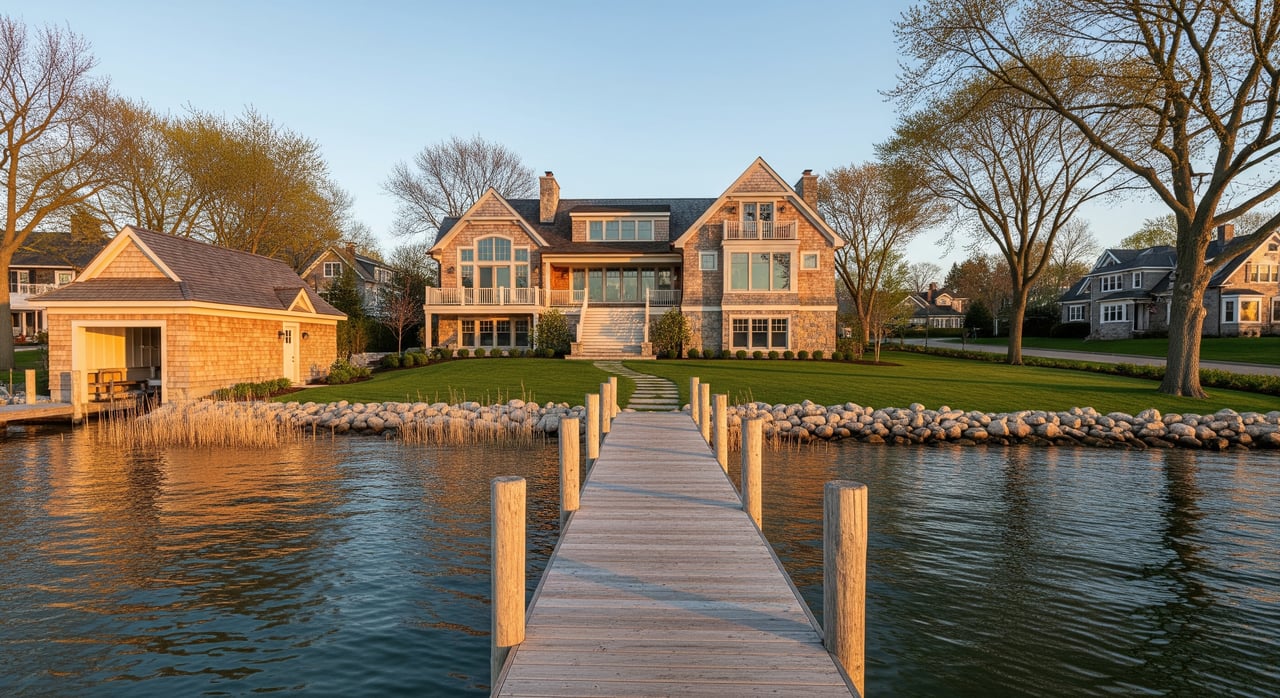
Picture your morning: coffee on a quiet dock with glassy water at your feet, or a peaceful stroll on tree‑lined streets with the lake a short bike ride away. If you are moving to Spring Lake in Ottawa County, you might be torn between living right on the shoreline or in a nearby neighborhood with convenient access. Both options can deliver a great lakeside lifestyle, but they feel different day to day. In this guide, you will learn how waterfront and neighborhood living compare on lifestyle, maintenance, rules, and long‑term costs so you can choose with confidence. Let’s dive in.
Spring Lake basics you should know
Spring Lake sits in Ottawa County within both the Village of Spring Lake and Spring Lake Township. Jurisdictions matter here because zoning, permits, taxes, and services can differ by address. Always confirm whether a property is in the village, township, or another local unit before you set expectations for rules or expenses.
You will experience four true seasons. Winters are cold and snowy, some years with ice on the lake. Boating and beach weather ramp up from late spring through early fall. Expect spring runoff in March through May, calm and colorful conditions in fall, and a quieter, maintenance‑focused winter for waterfront owners.
Waterfront living on Spring Lake
Living on the shoreline delivers the classic West Michigan lake experience with immediate access to the water. It also comes with unique responsibilities that are easy to plan for once you understand them.
Daily perks and tradeoffs
- You can launch a kayak or cast a line from your yard. Guests can arrive by boat, and gatherings feel effortless.
- Views are a major part of your lifestyle. Orientation affects sun, shade, and privacy. Walk the property at different times of day to see how light and activity feel.
- Boating traffic picks up in summer. That means energy and fun, but also periodic noise and wakes. If you want a quieter experience, visit during peak season before you commit.
Maintenance and ongoing care
Waterfront homes have a few extra to‑dos compared with inland properties:
- Dock and boatlift care. Plan for seasonal installation and removal, plus inspection after storms or ice.
- Shoreline protection. Riprap, seawalls, or native vegetation buffers may be needed to manage erosion. Budget for periodic upkeep.
- Water‑adjacent landscaping. Fertilizer use is often restricted near water. Many owners maintain natural buffers to protect the shoreline.
- Winterization. Secure lifts and remove docks before freeze. Arrange winter boat storage.
- Systems and utilities. Older properties may have aging septic systems. Confirm sewer or septic service and plan for inspection or upgrades as required by local health rules.
- Insurance. Premiums can be higher due to exposure, and your lender may require flood insurance if the parcel sits in a mapped high‑risk FEMA flood zone. Not all lakefront parcels are in flood zones, so verify per property.
Rules, permits, and what to confirm
Shoreline work is regulated. Building or repairing docks, seawalls, or making significant changes near the water typically requires local approvals and state permits. In the Spring Lake area, expect to work with:
- Village of Spring Lake or Spring Lake Township zoning and building departments for setbacks, dock size, and accessory structures.
- The Michigan Department of Environment, Great Lakes, and Energy (EGLE) for permits tied to inland lakes and shorelines.
- FEMA Flood Insurance Rate Maps to determine flood zone status, and an elevation certificate if needed by your lender.
- Ottawa County Health Department for septic rules and any water quality advisories.
If you are serious about a lakefront property, request the permit history for docks or seawalls, and get written estimates from licensed local contractors for any planned work.
Neighborhood living near the lake
You can live steps or minutes from Spring Lake and still enjoy much of the same recreation. For many buyers, a nearby neighborhood offers the best balance of access, cost, and simplicity.
Lifestyle and convenience
- You might have shared lake access, an HOA beach, or proximity to public parks and boat launches. Confirm walking or driving times and any waitlists for boat slips.
- Neighborhoods often include sidewalks, street lighting, and community feel. Many second‑row homes capture partial water views from elevated spots without direct shoreline responsibilities.
- Summer is still lively, but you will likely have less direct noise from boat traffic.
Costs and responsibilities
- You avoid specialized waterfront costs like seawall upkeep and seasonal dock removal.
- If your neighborhood has an HOA, fees may cover shared docks, landscaping, and access maintenance. Review budgets, reserves, and rules before you buy.
- Insurance and property taxes can be lower if assessed values are lower than comparable waterfront homes. Always check the current tax bill and assessor records for each address.
Property values and premiums
In the Spring Lake market, waterfront parcels generally command a premium over similar non‑waterfront homes. The size of that premium depends on the quality of your view, lot size, shoreline improvements, ease of boating, and overall demand at the time you buy.
A few local factors that influence value:
- The lake’s navigability and connections, plus the size and orientation of the water body.
- Limited public access points or community docks can increase the unique value of private frontage.
- Seasonal demand from second‑home buyers often concentrates in late spring and summer.
- Shoreline features such as gentle slopes, sturdy seawalls, or natural buffers add perceived and real value.
Because pricing shifts with inventory and recent sales, compare apples to apples. Ask your agent to pull current waterfront and nearby non‑waterfront comparables, including price per linear foot of frontage where available. For any property you like, confirm jurisdiction, assessed value, and tax history through county records.
Seasonality and what to expect
- Spring: Ice‑out, variable water levels, and higher boat launch activity. Shorelines can see more wave action and erosion during spring runoff.
- Summer: Peak season for boating, swimming, and fishing. Expect the most noise and traffic on prime weekends. Algae blooms are more likely in warm months, so check current advisories.
- Fall: Calmer water and scenic color. Great for slower‑paced boating and fewer crowds.
- Winter: Quiet months for the lake. Many owners remove docks and lifts, and some residents enjoy ice fishing when conditions are safe.
How to choose: your priorities checklist
Start by ranking what matters most. Use this quick exercise and then verify details on any property you tour.
- Rank your top five priorities
- Direct water access from your yard
- Big, uninterrupted views
- Quiet, low‑maintenance living
- Purchase price and long‑term costs
- Proximity to trails, parks, and launches
- Do your due diligence
Property and legal
- Confirm whether the home is in the Village of Spring Lake or Spring Lake Township, and request local zoning rules and shoreland setbacks.
- Ask for a survey showing the ordinary high‑water mark and property lines. Confirm riparian or littoral rights and any easements.
- If there is an HOA, review covenants, dock assignments, rental policies, and maintenance obligations.
Physical condition and shoreline
- Order a full home inspection plus a dock and shoreline assessment from a qualified contractor.
- Inspect the septic system and verify compliance with Ottawa County Health Department requirements.
- Ask about prior shoreline stabilization, seawall condition, and any permits on file.
Environmental and risk
- Check FEMA flood maps for the parcel. Request an elevation certificate if there are questions.
- Review any available water quality advisories and ask about invasive species monitoring.
- Ask sellers about past ice damage, storm events, or erosion repairs.
Cost planning
- Get quotes for dock and boatlift installation, seasonal removal, and storage.
- Price any needed seawall or riprap work with licensed contractors.
- Request insurance quotes for homeowner and, if relevant, flood coverage.
- Compare property taxes using assessor records, and factor in HOA fees for shared access neighborhoods.
Recreation and access
- Map driving or walking distance to public launches, parks, and trails you will use most.
- Confirm the type of access for non‑waterfront homes: deeded, HOA‑managed, or public. Ask about slip waitlists and seasonal rules.
Which option fits your life?
Choose direct waterfront if you value immediate access, big views, and plan to spend a lot of time on the water. Expect hands‑on maintenance, permit awareness, and potentially higher taxes and insurance. The payoff is living your lake life from your own backyard.
Choose a nearby neighborhood if you want most of the lake lifestyle with simpler upkeep and a more traditional residential setting. You may trade dock ownership for shared or public access and gain sidewalks, steady year‑round quiet, and often a lower overall cost to own.
Not sure yet? Tour both options in peak season and again on a weekday evening. Listen for boat traffic, watch wake patterns, and test the drive to your favorite launch or park. Then match what you see to the priorities you ranked. A clear choice usually appears when you compare daily rhythms, not just features on paper.
If you want help weighing tradeoffs, pricing out maintenance, and verifying permits or flood status, our team is here to guide you step by step. We specialize in West Michigan waterfront and neighborhood homes and can pull the right comparables, line up inspections, and connect you with trusted local contractors. When you are ready, connect with Rodriguez Homes for a tailored plan that fits your lifestyle and budget.
FAQs
Do Spring Lake waterfront buyers need flood insurance?
- Not automatically. Requirements depend on FEMA flood zone mapping for the specific parcel and your lender’s rules. Check the FEMA Flood Map and request an elevation certificate if needed.
What does it cost to install or repair docks and seawalls on Spring Lake?
- Costs vary by size, materials, site conditions, and permitting. Get multiple quotes from licensed Ottawa County contractors and review the property’s permit history before deciding.
Can I build a larger dock, boathouse, or keep my lift in year‑round?
- It depends on local zoning and state permits. Contact the Village of Spring Lake or Spring Lake Township and Michigan EGLE to confirm what is allowed for your parcel.
Are algae blooms or invasive species a concern on Spring Lake?
- Harmful algal blooms are more likely in warm months, and aquatic invasive species can occur. Check current advisories with the Ottawa County Health Department and EGLE before you buy or when planning lake use.
Is a second‑row or neighborhood home a good compromise near Spring Lake?
- Often yes. Homes near the lake with deeded or shared access can deliver most recreation benefits with lower maintenance and cost. Visit at peak season to judge noise, parking, and access firsthand.