Thinking about trading yardwork and roof repairs for lock-and-leave living in Portage? You are not alone. Many local homeowners are choosing a condo or townhome to simplify life without giving up the trails, parks, and easy access you love. In this guide, you will learn how Portage condos and townhomes work, what HOA fees usually cover, which documents to review, and how to time your sale and purchase with less stress. Let’s dive in.
Why right-size in Portage
Portage offers a strong parks and trails system, accessible city services, and quick connections to greater Kalamazoo. If you want to stay close to favorite shops, care providers, and community amenities, a move within Portage can keep your daily routine simple. You can browse city amenities and updates on the City of Portage website for a feel of local life and services (City of Portage).
Local sales data often shows homes going under contract quickly, with prices hovering in the high 200s to low 300s depending on month and source. Condos and townhomes in Portage commonly list from the mid 100s to the mid 300s, based on size, age, and location. Exact figures change monthly, so plan your timeline and pricing with fresh data before you list or buy.
Condo vs townhome: what you own and maintain
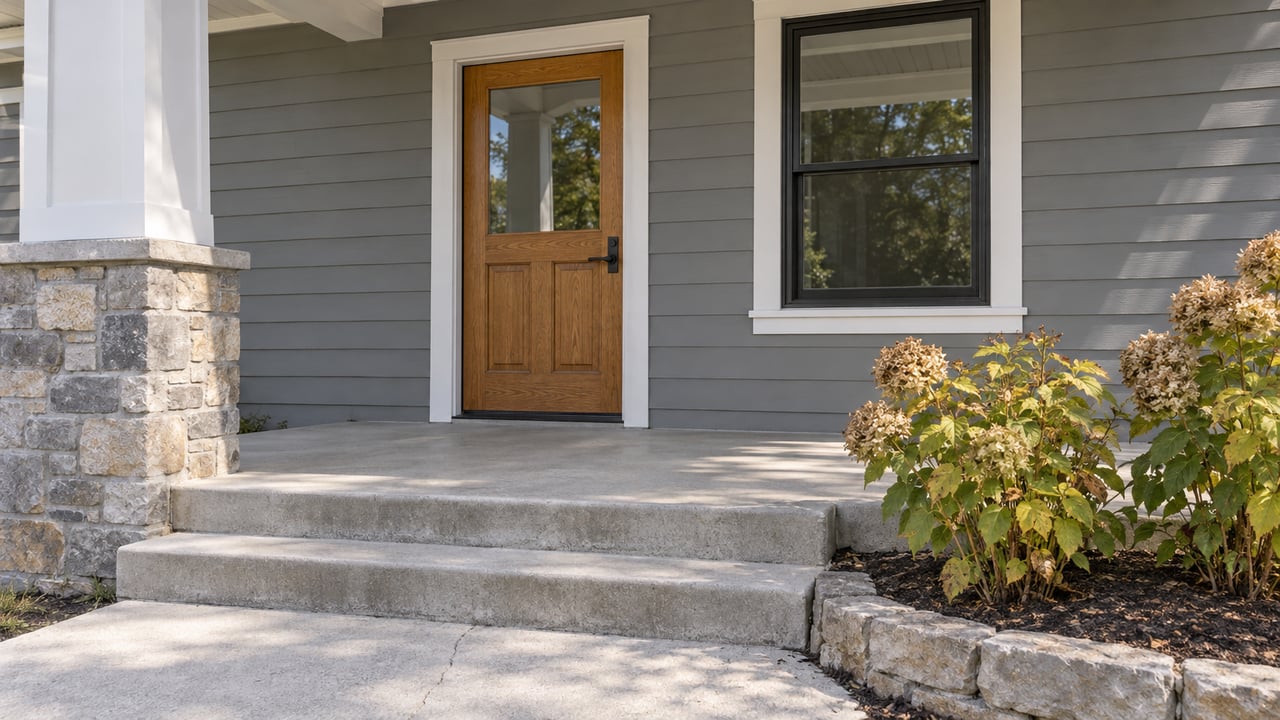
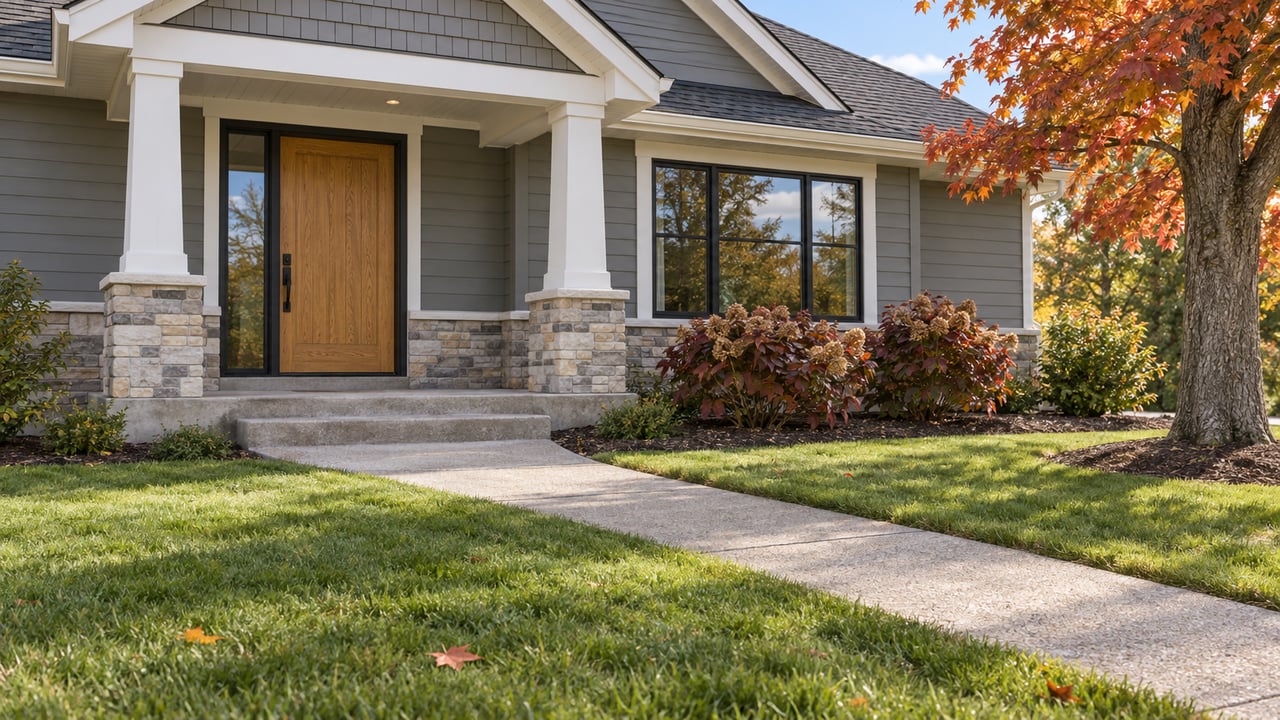
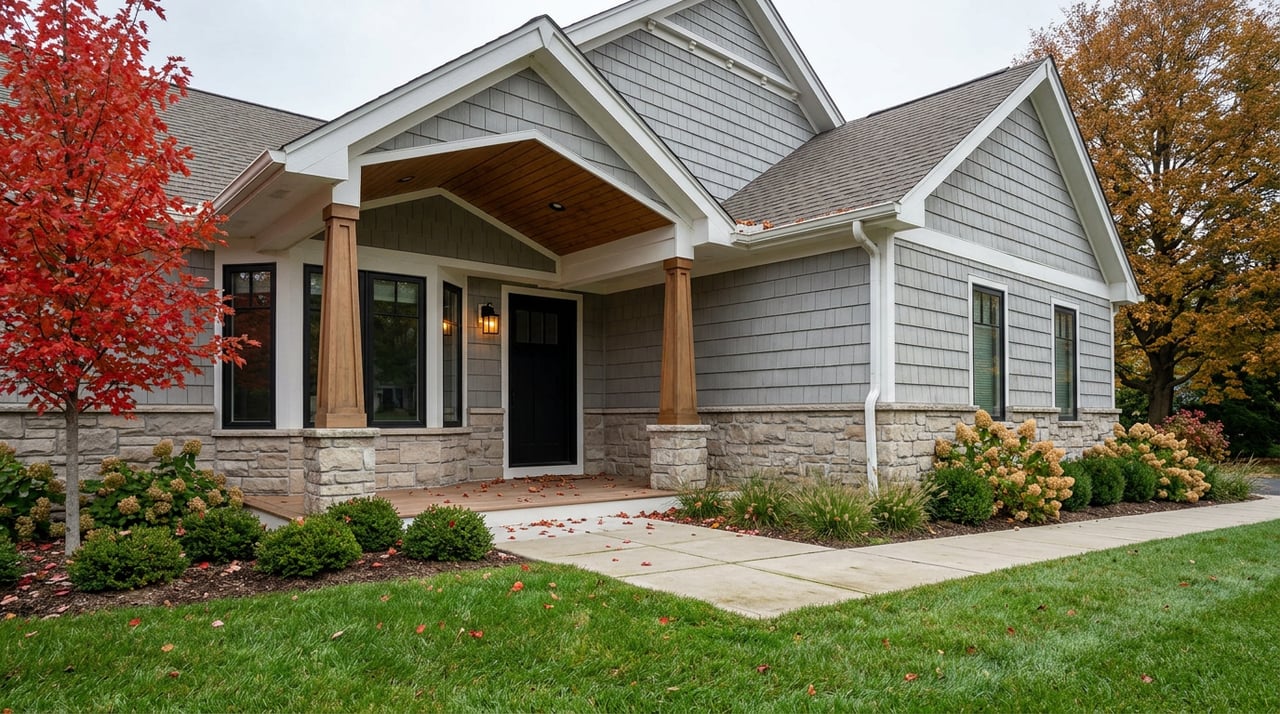
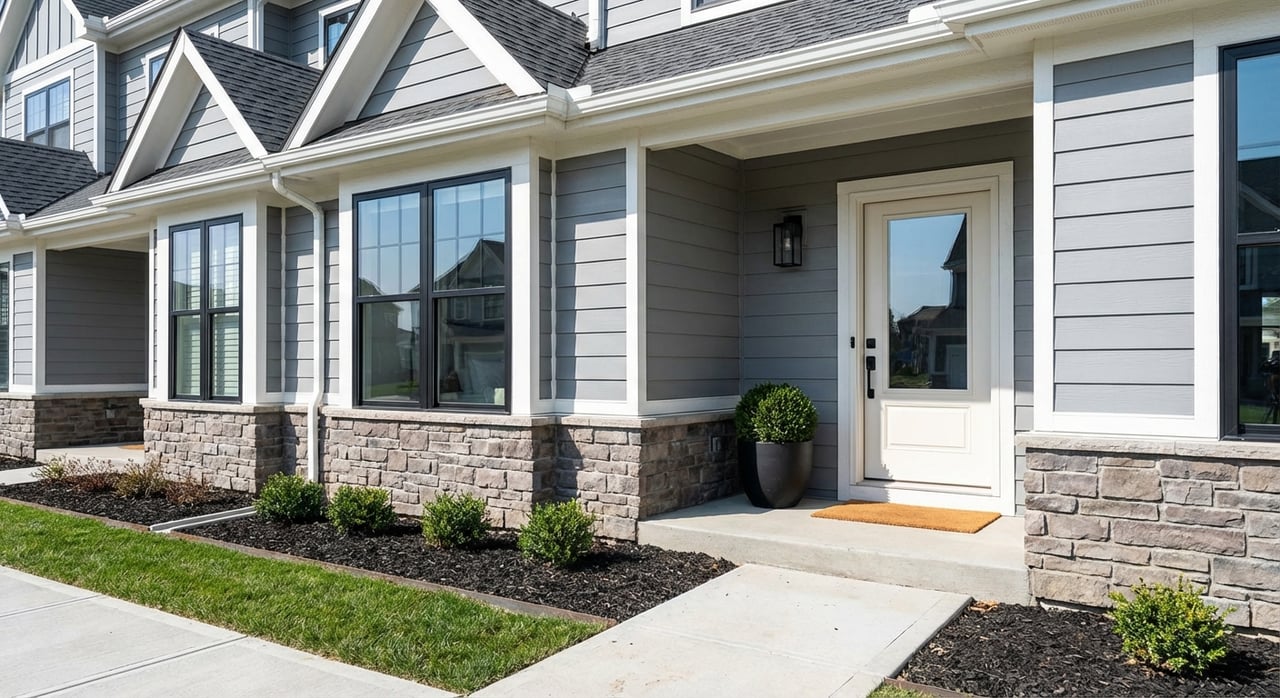
Condos and townhomes can look similar from the curb, but the way you own and insure them can be very different. If you take only one thing from this section, make it this: always read the recorded documents and the association’s insurance policy to know who handles what. For a local overview of key differences, see this primer from our team on condo vs townhome in Portage (Rodriguez Homes).
Ownership basics
- Condominium: You own the interior of your unit plus a shared interest in common areas. The association typically owns and maintains the building exterior and common elements. Condo owners usually carry an HO-6 policy that covers interior finishes, personal property, liability, and often loss-assessment coverage (condo insurance basics).
- Townhome: This can be fee-simple ownership of the structure and the land lot, or it can be a condominium-form townhome. Exterior maintenance and insurance responsibilities vary by community and are spelled out in the master deed or declaration. Always request the master insurance declarations and a coverage map.
Maintenance trade-offs
Most Portage associations handle exterior upkeep like roofs, siding, common landscaping, snow removal, and amenity care. Owners usually handle interior systems and finishes, plus their share of any special assessments. The exact split is in the recorded documents and the budget or reserve materials (HOA responsibilities overview).
Typical fees and building ages
In Portage, many condo and townhome communities show monthly HOA dues in the low 200s to low 300s, sometimes higher for larger complexes or added amenities. A meaningful share of local communities were built in the 1970s through the 1990s, which can mean upcoming roof, siding, or paving projects. That is why reviewing reserves and recent capital work is so important.
Your must-review document package
Whether you are buying a resale unit or considering a new build, documents will tell you how the community runs and what it may cost you, now and later.
- Master deed or declaration, plats or surveys. These define boundaries, common elements, and maintenance duties under Michigan’s Condominium Act (Michigan Condominium Act overview).
- Bylaws and rules. Check architectural, rental, and pet rules for fit.
- Budget and financials. Review the current budget, recent income/expense statement, and balance sheet. Look for regular reserve contributions and realistic operating assumptions (association financial basics).
- Reserve study and balances. Low reserves plus aging common elements raises special-assessment risk.
- Board meeting minutes for 12 to 24 months. Scan for deferred maintenance, upcoming projects, or legal disputes (resale due diligence items).
- Estoppel or resale certificate. Confirm the monthly dues, the seller’s account status, transfer fees, and any approved or pending special assessments (estoppel certificate info).
- Master insurance declarations. Confirm master policy type, covered perils, and deductible levels so you can size your HO-6 or HO-3 correctly (insurance scope checklist).
Michigan legal points to know
- New developer sales: Michigan law gives you a 9 business-day right to withdraw after you receive the required disclosure packet for a new condo purchase. This is set out in the Michigan Condominium Act and protects buyers of new units (Michigan Condominium Act overview).
- Resale units: In practice, local contracts often include a contingency for you to review the association’s resale package. Associations commonly charge a preparation or estoppel fee. Confirm the review timeline and who pays any fees in your purchase agreement and the governing documents (resale due diligence items).
Financing: project rules can drive the deal
Condos are often underwritten at the project level. Lenders and programs look at owner-occupancy ratios, investor concentration, delinquencies, and reserve funding. FHA has specific condo rules and a process for approvals. VA loans generally require project approval or a one-time waiver. This is why confirming loan program fit for the project early helps you avoid surprises (FHA condo eligibility rules).
Quick steps:
- Ask your lender to confirm project eligibility for your loan type before you write an offer.
- If you must use FHA or VA, verify whether the project is currently eligible and discuss options if it is not.
- Get the questionnaire or project documents to your lender as soon as the offer is accepted.
Insurance: match your policy to the project
Your coverage depends on what the association’s master policy insures. Most condo owners carry an HO-6 for interior finishes, personal property, and liability, often with loss-assessment coverage. If you own a fee-simple townhome and the association does not insure the structure, you may need an HO-3 that covers the dwelling. Ask for the master policy declarations and deductibles so your agent can size coverage and endorsements properly (condo insurance basics).
Taxes: Michigan Principal Residence Exemption (PRE)
If you are moving from your current principal residence to a new condo or townhome, review the PRE rules and forms. You claim the exemption on your principal residence and must rescind it when you move so taxes adjust correctly. The Michigan Department of Treasury provides guidance and the necessary forms, including Form 2368 to claim and Form 2602 to rescind (Michigan PRE guidance and forms).
How to time your sale and purchase
You have a few paths. The right choice depends on your financing, tolerance for overlap, and how quickly comparable homes are moving near you.
- Sell first, then buy: You lock your sale price and avoid bridge financing. You may need short-term housing and a focused search window.
- Buy first with bridge or HELOC: You move once and can write a stronger offer, but you take on short-term borrowing cost and complexity. Bridge products exist and can work well for the right profile (bridge financing overview).
- Contingent offers or rent-backs: Some sellers accept a home-sale contingency or allow a short rent-back after closing. Clear terms and good communication are essential.
Timeline and logistics that work
Most rightsizing moves benefit from 2 to 3 months of planning. Start decluttering and donating 6 to 12 weeks before your target closing. If you have a larger household or complex move, allow 3 to 6 months. Order the association’s resale or estoppel package as soon as your purchase agreement is signed because preparation can take time. Confirm transfer or administrative fees and whether an expedited option is available, and document who pays each fee in the contract.
Red flags to watch
- Thin reserves with older roofs, paving, or siding. That can increase special-assessment risk.
- High owner delinquencies or repeated special assessments in recent years.
- Pending or active litigation involving the association.
- Project-level ineligibility for your needed loan program. If FHA or VA is required, discuss options with your lender early (FHA condo eligibility rules).
Next steps
If you want to right-size inside Portage with less stress, start with a plan. Our team pairs local condo and townhome expertise with clear timelines, strong negotiation, and coordinated sale-and-purchase strategies. We are Top 1% locally with $100M+ closed since 2021, and we focus on results you can feel and measure. Ready to talk options, pricing, and timing for your move? Connect with Rodriguez Homes to get your custom plan.
FAQs
What is the difference between a condo and a townhome in Portage?
- A condo usually means you own the interior and share common elements, while a townhome can be fee-simple or condo-form; maintenance and insurance duties depend on the recorded documents.
How much are typical HOA fees for Portage condos or townhomes?
- Many local communities show dues in the low 200s to low 300s per month, with variation based on size, age, and amenities; confirm exact services and reserves in the resale package.
Can I use FHA or VA financing to buy a Portage condo?
- Often yes, but project approval rules apply; ask your lender to check project eligibility early since those rules can limit which loan types are available.
What documents should I review before buying a condo or townhome?
- Request the master deed or declaration, bylaws and rules, current budget and financials, reserve study and balances, recent board minutes, estoppel certificate, and master insurance declarations.
How does Michigan’s PRE affect my move to a condo or townhome?
- You claim the PRE on your principal residence and should rescind it when you move so taxes adjust correctly; use the Michigan Treasury forms and confirm timing with the local assessor.