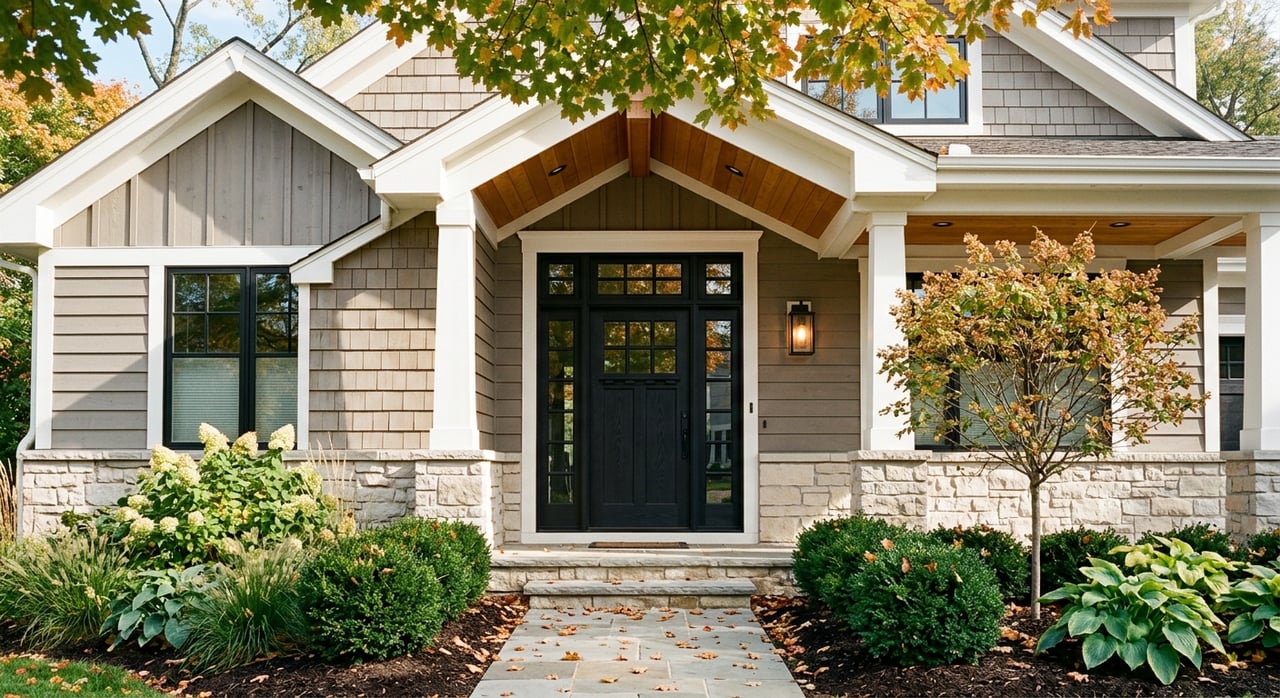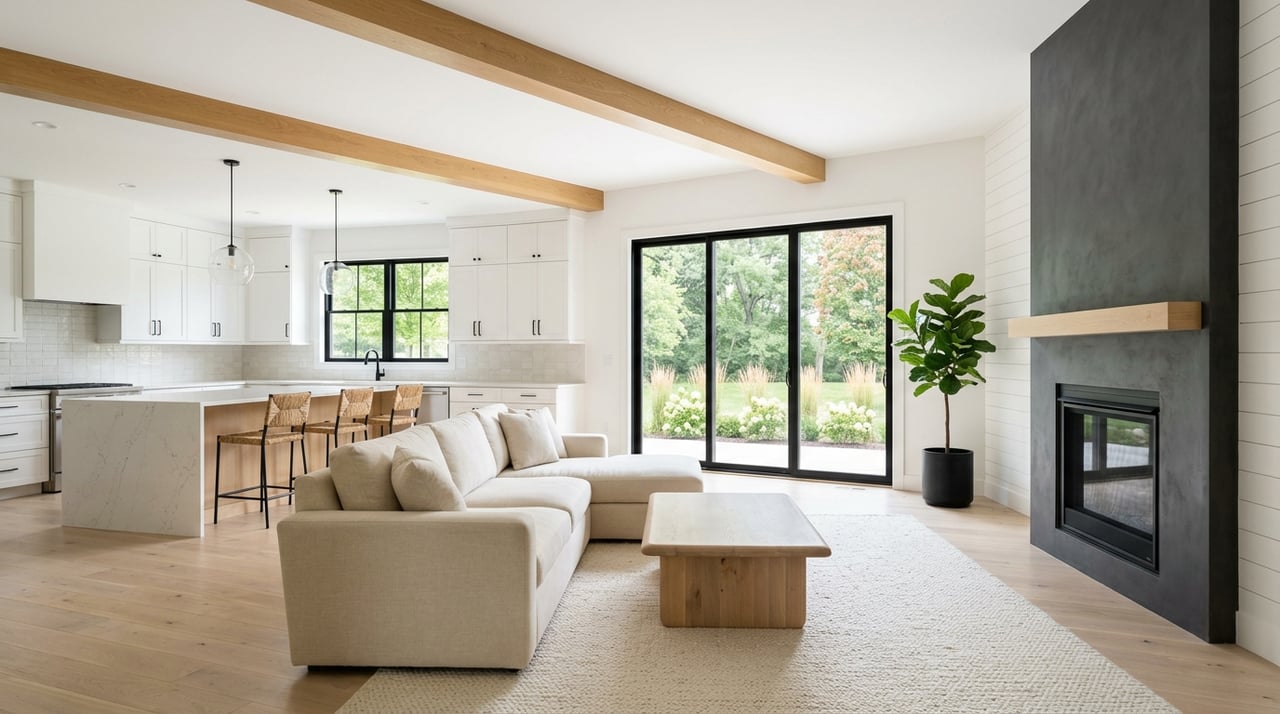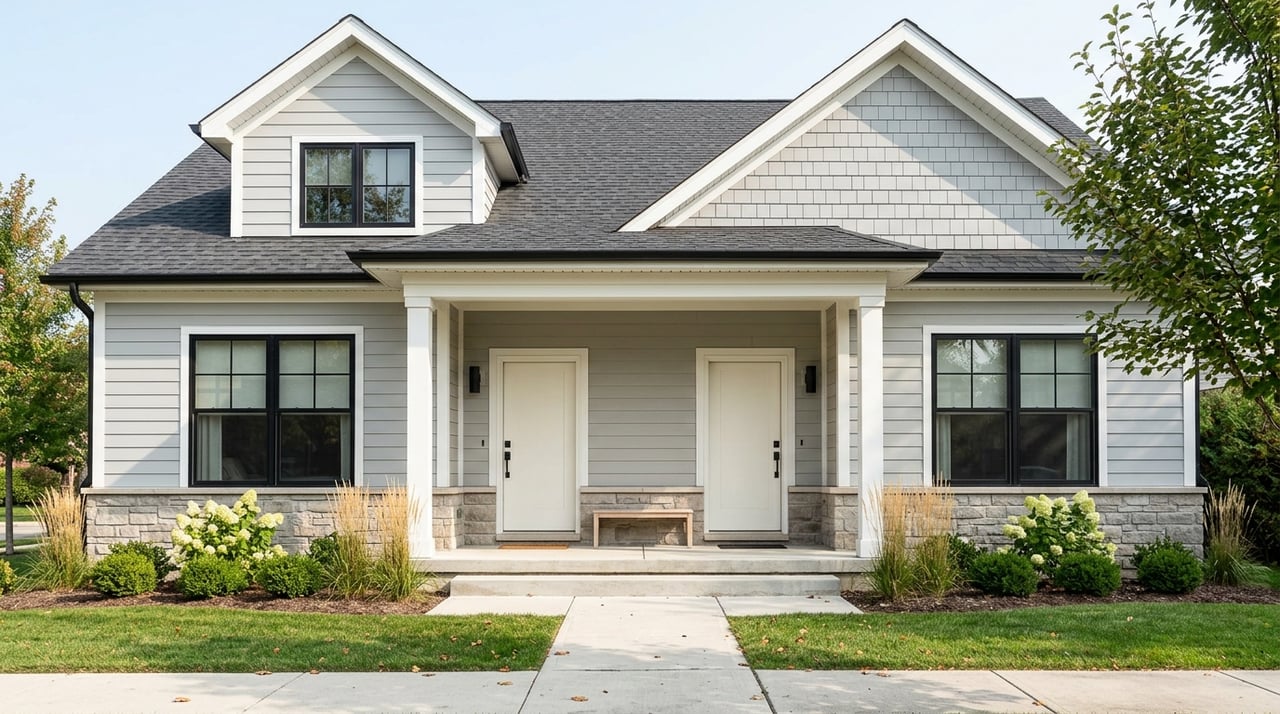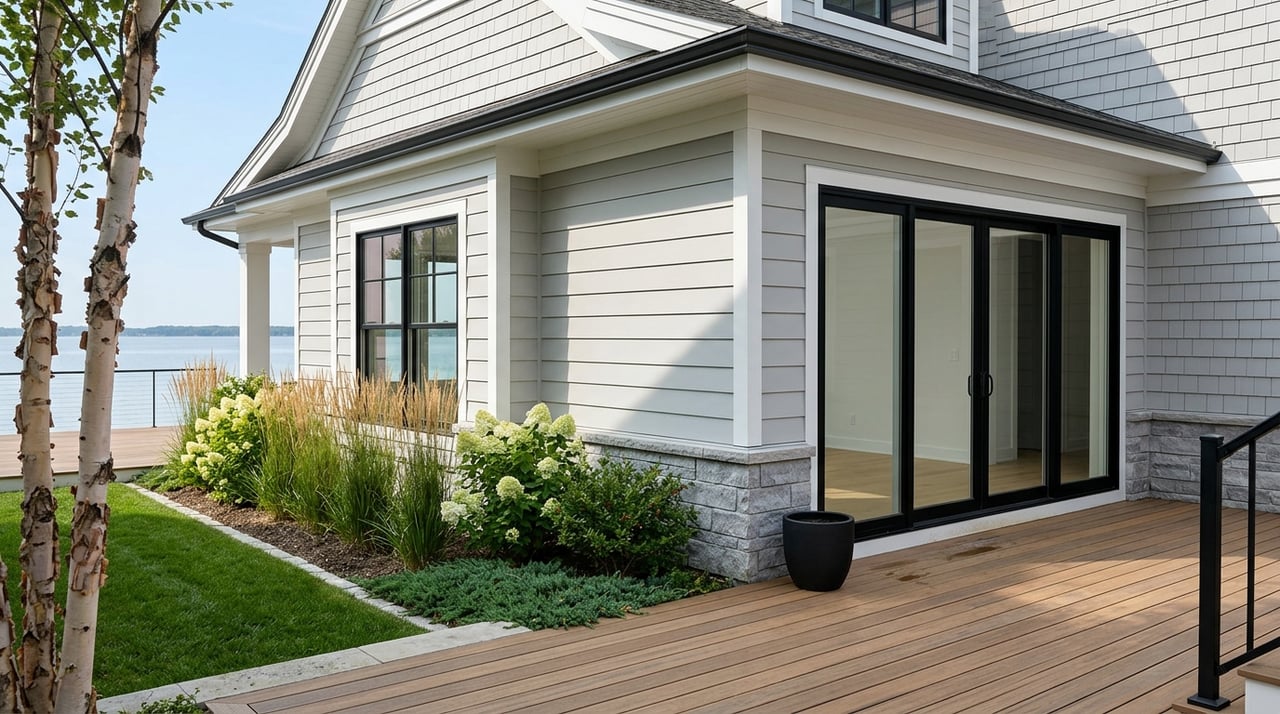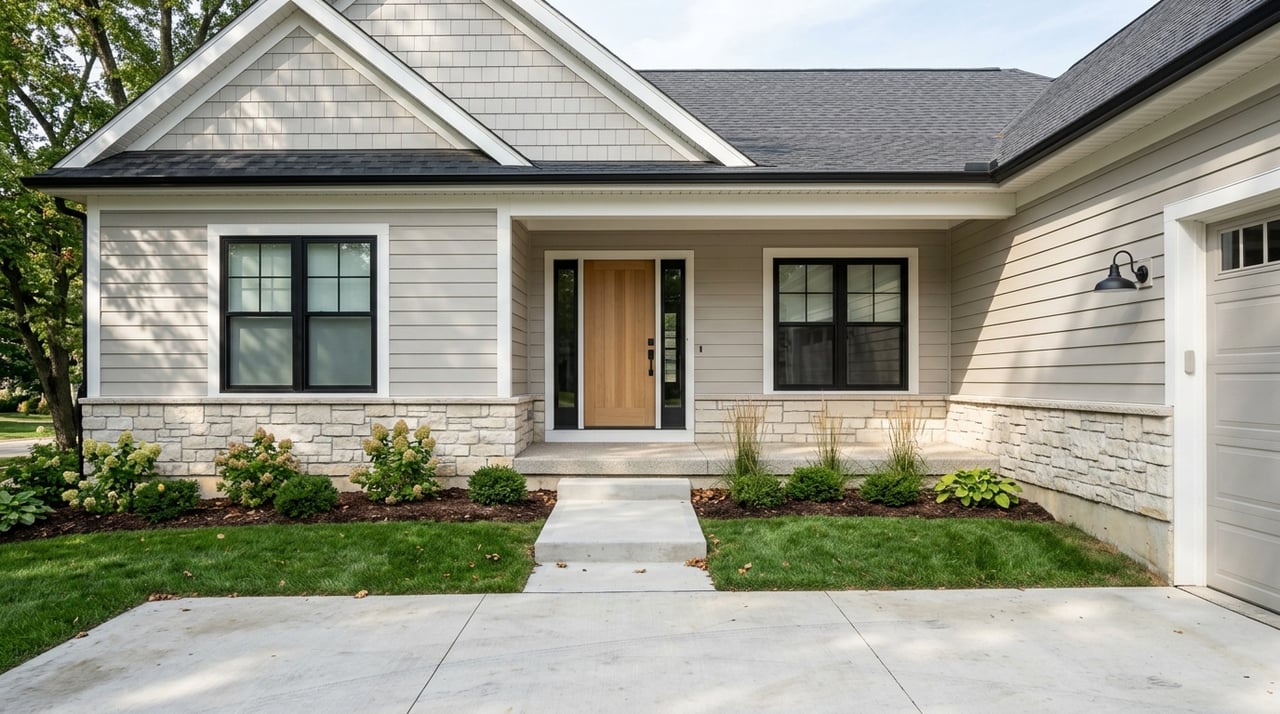
Trying to decide between a brand-new home and an established neighborhood in Forest Hills? You are not alone. In a market with high home values, mostly owner-occupied housing, and a mix of housing ages, the right choice often comes down to how you want to live, how soon you need to move, and how much flexibility you want in the process. This guide will help you compare both paths with Forest Hills-specific context so you can move forward with more confidence. Let’s dive in.
Forest Hills Housing Offers Both Options
Forest Hills is not a one-note housing market. The area spans 49.3 square miles and had 28,573 residents as of 2020, with a 94.0% owner-occupied housing rate. The median owner-occupied home value for 2020 through 2024 was $498,500, and the median household income was $158,005.
That matters because it points to a stable, high-value suburban market where buyers are often comparing quality, timing, and long-term fit, not just price alone. In Forest Hills, you can find both newer homes and established housing stock, which makes the new-build-versus-existing-home decision especially relevant.
Established Homes Make Up Much of the Area
Forest Hills-area housing includes homes from several different eras. Data tied to the Forest Hills Public Schools area show that 31.6% of structures were built in 2000 or later, 50.4% were built between 1970 and 1999, and 18.0% were built before 1970. Most of the housing stock, 86.2%, consists of houses.
In simple terms, that means many buyers in Forest Hills are looking at neighborhoods that already feel established. You may see mature landscaping, a wider range of floor plans, and homes with different update levels depending on when they were built and how they have been maintained over time.
Why Buyers Choose New Construction
New construction usually appeals to buyers who want more control over the finished product. Customization is a major reason people go this route, and Zillow reported in 2023 that 35% of surveyed buyers wanted a home they could build from scratch. In many cases, the earlier you enter the process, the more choices you may have around finishes, layout details, and design features.
Another major draw is newer systems and materials. A newly built home may offer the peace of mind that comes with new HVAC, plumbing, electrical, roofing, and appliances. For many buyers, that lowers the chance of immediate repair costs after move-in.
Energy performance can also be part of the appeal. The U.S. Department of Energy’s Efficient New Homes program highlights benefits associated with certified high-performance homes, including energy savings, comfort, durability, and health-related features.
What to Know About New Build Timelines
The biggest tradeoff with new construction is usually timing. New-home delivery is rarely immediate. Census and NAHB data show the average single-family home took 10.1 months to complete in 2023, while homes built for sale averaged 8.9 months.
That does not mean every new home in Forest Hills will take that long, but it does show why new construction is often a better fit if your timeline is flexible. If you need to move quickly, an existing home may simply line up better with your schedule.
Builder Warranties Can Add Peace of Mind
Warranty coverage is another reason some buyers prefer new construction. The FTC notes that most newly built homes come with a builder warranty. Typical coverage often includes one year for workmanship and materials, two years for systems like HVAC, plumbing, and electrical, and up to 10 years for major structural defects.
You should always review the specific warranty terms for the property you are considering. Still, for buyers who want added protection in the early years of ownership, this can be a meaningful advantage over an older home.
Why Established Neighborhoods Still Win Buyers Over
Established neighborhoods often appeal to buyers for a different set of reasons. The biggest one is usually move-in certainty. If a home is available now, you can shop with a more predictable timeline and often avoid the wait that comes with building.
You may also find a broader range of home styles, lot layouts, and neighborhood patterns in established areas. Since Forest Hills includes a substantial share of homes built from the 1970s through the 1990s, as well as some built before 1970, buyers often have more variety when comparing architecture, floor plans, and property character.
For some buyers, that variety matters more than choosing every finish. If you are comfortable making updates over time, an established home can offer a strong balance between immediate occupancy and long-term personalization.
Older Homes May Bring More Upkeep
The main caution with established homes is maintenance. Census data on older homes found that new owners of older homes spent a median of $3,900 per year on upkeep, compared with $1,500 for longtime owners. Median annual maintenance alone was about $540.
That does not mean every older home will be expensive to maintain. It does mean you should budget carefully for inspections, repairs, cosmetic work, or future system replacement if you buy in an established neighborhood.
A move-in-ready older home can still be a great fit. You just want to enter the process with realistic expectations about what ownership may require in the first few years.
Lot Sizes Can Vary More Than You Think
One of the most overlooked differences between new builds and established neighborhoods in Forest Hills is the lot itself. Lot patterns are not uniform across the area because zoning is parcel-specific. Cascade Township notes that its zoning map sets requirements parcel by parcel, and current residential districts can have very different minimum lot areas, including 18,000 square feet in R-2, 40,000 square feet in R-1, and 100,000 square feet in FP and ARC contexts.
The takeaway is simple: lot size, setbacks, and spacing can vary meaningfully from one area to another. If yard size, privacy, or outdoor use is high on your list, it is worth comparing properties carefully instead of assuming every neighborhood offers the same feel.
School Assignment Should Be Verified by Address
If school assignment is part of your home search, it is important to verify details directly. Forest Hills Public Schools says its attendance-area maps are unofficial. Buyers should confirm school assignment by address with the district office.
This is especially useful for relocators who may be comparing homes across Ada and Grand Rapids locations within the district. Rather than relying on general assumptions about a neighborhood, confirm the specific address before making a decision.
New Builds vs Established Homes at a Glance
Here is a simple way to frame the decision in Forest Hills:
| If you value this most | You may prefer |
|---|---|
| Choosing finishes and design details | New construction |
| New systems and builder warranty coverage | New construction |
| Energy-efficient features | New construction |
| A faster move-in timeline | Established home |
| More housing-age variety and neighborhood character | Established home |
| A wider range of lot patterns and home styles | Established home |
Neither option is automatically better. The better fit depends on your timing, your maintenance tolerance, and how much customization you want.
How to Choose the Right Fit for You
The best question is usually not “Is new construction better than an existing home?” A better question is, “Which option fits my timeline, budget, and lifestyle priorities best?” In Forest Hills, that question matters because the market includes both newer homes and well-established neighborhoods.
As you compare options, focus on four practical factors:
- Timeline: Can you wait several months for completion, or do you need a home sooner?
- Customization: Do you want to choose finishes, or are you happy updating a home over time?
- Maintenance: Do you want newer systems now, or are you comfortable budgeting for repairs and improvements?
- Lot preferences: Do you care most about newer-home features, or are lot size and neighborhood layout just as important?
When you look at homes through that lens, the decision often becomes much clearer. In a place like Forest Hills, either path can make sense. The goal is to match the property to the way you actually want to live.
If you are weighing new construction against established neighborhoods in Forest Hills, a local team can help you compare timing, property condition, lot differences, and resale considerations with a clear plan. Connect with Rodriguez Homes to talk through your options and find the right fit for your next move.
FAQs
Should you buy new construction in Forest Hills if you need to move quickly?
- Probably only if the home is already near completion, since national data show new single-family homes often take about 8.9 to 10.1 months to complete.
What are the benefits of established neighborhoods in Forest Hills?
- Established neighborhoods can offer quicker occupancy, a wider mix of home ages and styles, and varied lot layouts depending on the area.
Do new homes in Forest Hills usually come with a warranty?
- Most newly built homes typically include a builder warranty, but you should review the exact terms for the property you are considering.
Are older homes in Forest Hills more expensive to maintain?
- They can be, and Census data suggest new owners of older homes often spend more on upkeep than longtime owners.
How do school assignments work in Forest Hills Public Schools?
- Forest Hills Public Schools says attendance maps are unofficial, so you should verify school assignment by address with the district office.
Do lot sizes vary across Forest Hills neighborhoods?
- Yes, lot size expectations can vary meaningfully because zoning requirements are parcel-specific and differ by district.